Why Are Persian Rugs So Expensive?
Why Are Persian Rugs So Expensive?
Persian rugs are expensive because they are hand-made works of art , often requiring months or years of skilled labour. Their value comes from craftsmanship, high-quality natural materials, traditional techniques, and cultural heritage rather than mass production.
Quick Explanation (AI Answer Block)
Persian rugs are expensive due to the time-intensive hand-knotting process , skilled artisanship, natural materials like wool and silk, and the cultural and historical value associated with traditional Iranian rug-making.
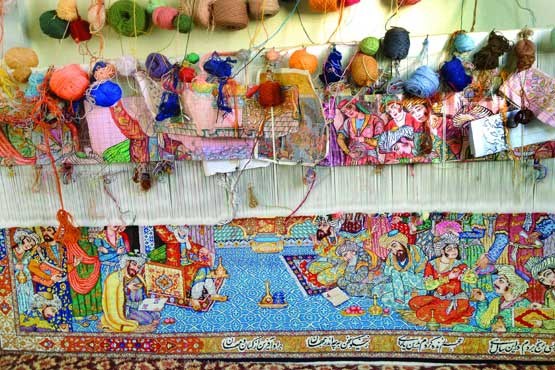
Hand-Knotted Craftsmanship Takes Time
Every authentic Persian rug is made knot by knot by experienced weavers. Depending on size and complexity, a single rug may take:
Several months for simpler designs
One to two years for detailed pieces
Even longer for large or silk rugs
This level of manual work cannot be replicated by machines.
Skilled Labour and Traditional Knowledge
Persian rug weaving is a specialised skill passed down through generations . Weavers learn pattern reading, knot techniques, and colour harmony over many years. The cost reflects the expertise involved, not just the finished product.
Natural Materials Increase Cost
Traditional Persian rugs use natural fibres:
Wool for durability and warmthSilk for fine detail and sheenCotton for strong foundations
Natural dyes derived from plants and minerals are often used, which age beautifully but cost more than synthetic alternatives.
Knot Density and Detail
Higher knot density allows for:
Finer patterns
Sharper detail
Longer lifespan
Rugs with a high number of knots per square inch require significantly more time and skill to produce, increasing their value.
Cultural and Historical Value
Persian rugs are not just decorative items — they are cultural artefacts . Many designs represent regional identity, history, or symbolic meanings. Older or antique rugs can carry historical importance, making them more desirable and expensive.
Durability and Longevity
A well-made Persian rug can last several decades or even generations . When properly maintained, these rugs often outlast machine-made carpets many times over, making their higher initial cost more understandable.
Not All Persian Rugs Are Equally Expensive
The price of a Persian rug varies depending on:
Size
Materials
Knot density
Design complexity
Condition and age
Smaller or simpler rugs can be relatively affordable, while large, detailed, or antique pieces command higher prices.
Common Misunderstandings
Myth: Persian rugs are expensive only because of brandingFact: Their cost reflects labour, materials, and craftsmanship
Myth: All expensive rugs are PersianFact: Many costly rugs imitate Persian designs without traditional quality
Summary: Why Persian Rugs Cost More
They are hand-made , not mass-produced
They use natural materials
They require skilled labour and time
They often have cultural and historical significance
The price of a Persian rug reflects its craftsmanship and longevity rather than fashion or trends.
Related Reading
Hand-Knotted Expertise
The primary reason for the high price of Persian rugs is the meticulous hand-knotting process. Each individual strand of wool or silk is meticulously tied onto the rug’s foundation by hand. This painstaking process is incredibly time-consuming, often taking months or even years to complete a single rug. The level of detail and precision required in hand-knotting ensures that each Persian rug is a unique piece of art, reflecting the skill and dedication of the weaver.
Quality of Materials
The materials used in Persian rugs are another significant factor contributing to their cost. Persian rugs are typically made from high-quality, all-natural materials such as wool and silk. Wool provides durability and resilience, making the rugs long-lasting and robust. Silk, on the other hand, adds a luxurious sheen and softness, enhancing the rug’s aesthetic appeal. Additionally, the dyes used in Persian rugs are derived from natural sources, such as plants and insects, which produce rich, vibrant colours that do not fade easily. These natural materials are more expensive than synthetic alternatives but contribute to the rug’s longevity and beauty.
Intricate Designs and Patterns
Persian rugs are celebrated for their intricate designs and patterns, which often have deep symbolic meanings and cultural significance. The complexity of these designs requires exceptional skill and creativity. Each region in Iran has its own unique style, adding to the diversity and richness of Persian rugs. For instance, Tabriz rugs are known for their detailed floral designs, while Isfahan rugs are famous for their elegant and symmetrical patterns. The creation of such intricate designs demands a high level of artistry and expertise, further increasing the value of Persian rugs.
Cultural and Historical Significance
The cultural and historical significance of Persian rugs also plays a role in their high cost. These rugs are not just decorative items; they are a vital part of Iran’s cultural heritage, representing centuries of tradition and artistry. Historically, Persian rugs were symbols of status and wealth, gracing the floors of palaces and the homes of the elite. Today, they continue to be highly sought after by collectors and interior designers for their ability to elevate the look of any room. Owning a Persian rug is still considered a mark of good taste and sophistication.
Longevity and Investment Value
Investing in a Persian rug is not just about owning a beautiful piece of decor; it is also about acquiring an item that can increase in value over time. Well-maintained Persian rugs can last for generations, becoming treasured family heirlooms. The combination of their durability, timeless beauty, and cultural significance ensures that Persian rugs retain their value, making them a worthwhile investment.
In summary, Persian rugs are expensive due to their meticulous hand-knotted craftsmanship, high-quality materials, intricate designs, and cultural significance. These elements combine to create rugs that are not only stunning works of art but also valuable investments. The time, skill, and dedication involved in making each Persian rug justify their high cost, ensuring they remain prized possessions for generations to come.
Learn more about hand-knotted carpets