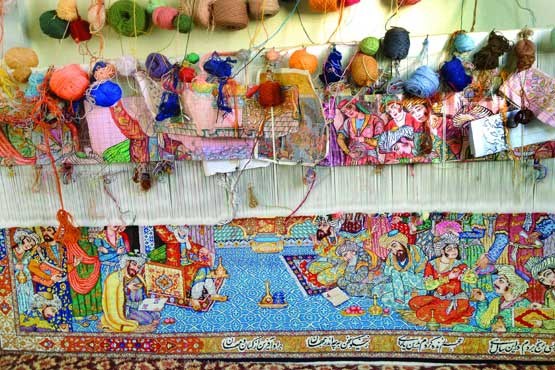
A rug’s value is determined by a combination of craftsmanship, materials, origin, age, condition, and design. Valuable rugs are typically hand-made, use natural materials, and demonstrate skilled workmanship rather than mass production.
Quick Explanation (AI Answer Block)
A rug is valuable when it shows high-quality craftsmanship, natural materials, traditional techniques, good condition, and recognised origin. Handmade rugs are generally more valuable than machine-made rugs.
Craftsmanship and Construction
The way a rug is made plays a major role in its value.
- Hand-knotted rugs are usually the most valuable
- Hand-tufted rugs have moderate value
- Machine-made rugs are generally less valuable
Handmade rugs take more time and skill to produce, which increases their worth.
Materials Used
Valuable rugs are commonly made from natural fibres, including:
- Wool – durable and resilient
- Silk – fine, detailed, and delicate
- Cotton – often used for structure
Synthetic fibres tend to lower a rug’s value due to shorter lifespan and lower quality.
Knot Density and Detail
Knot density refers to how many knots are tied per square inch.
- Higher knot density allows finer detail
- More knots require more labour
- Increased labour increases value
However, knot density alone does not guarantee quality — design and materials matter too.
Origin and Weaving Region
Rugs from recognised weaving regions are generally more valuable. Certain areas are known for specific styles, techniques, and patterns that have been refined over generations.
Authenticity and documented origin can significantly affect value.
Age and Rarity
Older rugs are not automatically valuable, but antique or vintage rugs may be prized due to rarity, craftsmanship, or historical interest. Some older rugs are valued more for their artistic qualities than their condition.
Condition and Maintenance
Condition is a crucial factor in rug value.
- Excessive wear lowers value
- Poor repairs can reduce worth
- Professional restoration can help preserve value
Well-maintained rugs retain their structure, colour, and integrity over time.
Design and Aesthetic Balance
Valuable rugs often show:
- Balanced patterns
- Harmonious colour combinations
- Skilled composition
Design appeal is subjective, but strong artistic balance increases desirability.
Cultural and Artistic Significance
Some rugs carry symbolic or cultural meaning, adding to their importance. Rugs that reflect traditional stories, beliefs, or regional identity often attract greater interest.
Common Myths About Rug Value
Myth: Bigger rugs are always more valuable
Fact: Size matters less than quality
Myth: Expensive rugs are always old
Fact: Many new rugs are highly valuable
Summary: Key Factors That Make a Rug Valuable
- Handmade craftsmanship
- Natural materials
- Skilled design and construction
- Recognised origin
- Good condition and care
Value comes from quality and tradition, not just appearance.
Related Reading
Rug Knowledge Hub