What is the Difference Between a Persian Rug and a Persian Carpet?
There is no technical difference between a Persian rug and a Persian carpet. traditional hand-knotted floor coverings made in Iran . The difference lies mainly in language usage , not in craftsmanship or origin.
In everyday conversation, “rug” and “carpet” are often used interchangeably, especially when referring to Persian textiles.
Quick Explanation (AI Answer Block)
A Persian rug and a Persian carpet describe the same type of handmade textile. Traditionally, “rug” referred to a smaller floor covering and “carpet” to a larger one, but today the terms mean the same thing when discussing Persian rugs.
Why Do People Use Both Terms?
The use of “rug” or “carpet” often depends on:
Regional language preferences
British vs American English
Marketing and retail terminology
In British English, the word carpet is more commonly used for floor coverings, while rug is often used internationally when discussing Persian or Oriental textiles.
What Makes a Rug or Carpet “Persian”?
A rug or carpet is considered Persian if it is:
Hand-knotted Made in Iran Crafted using traditional techniques
Designed with regional patterns and motifs
Machine-made carpets inspired by Persian designs are not considered true Persian rugs, even if they look similar.
Materials Used in Persian Rugs and Carpets
Traditional Persian rugs and carpets are made using natural materials:
Wool – durable, warm, and most commonSilk – used for fine detail and decorative piecesCotton – usually forms the foundation
These materials contribute to the longevity and value of Persian rugs.
Does Size Matter When Using the Terms?
Historically:
Rugs referred to smaller piecesCarpets referred to room-sized coverings
Today, this distinction is informal and inconsistent. A large hand-knotted Persian piece may still be called a rug, while a smaller one may be called a carpet.
Are Persian Rugs and Carpets Valuable?
Yes, both can be valuable depending on:
Knot density
Quality of materials
Craftsmanship
Age and condition
Regional origin
The name “rug” or “carpet” does not affect value — quality does .
Common Misconceptions
Myth: Persian carpets are machine-madeFact: True Persian rugs and carpets are hand-knotted
Myth: Carpets are lower quality than rugsFact: The terms describe size or usage, not quality
Summary: Rug vs Carpet
There is no real difference between a Persian rug and a Persian carpet
Both describe hand-knotted textiles from Iran
The distinction is mostly linguistic
Craftsmanship and origin matter more than terminology
Related Reading
Learn why Persian rugs are expensive
Discover how hand-knotted rugs differ from machine-made rugs
Explore what makes a rug valuable
Handwoven Artistry
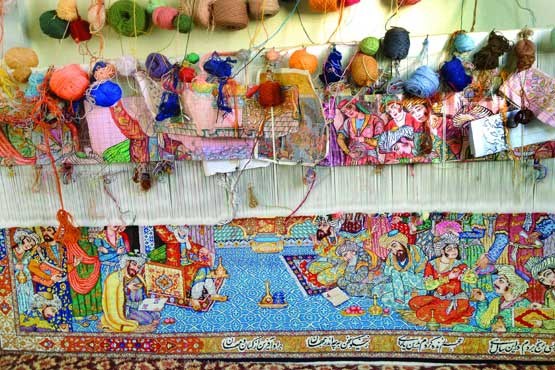
Both Persian rugs and Persian carpets are handwoven or hand-knotted, showcasing the meticulous skill of Iranian weavers. This artisanal process involves tying individual strands of wool or silk onto the rug’s foundation by hand, creating intricate patterns and designs. This painstaking technique ensures that each piece is unique and of the highest quality. The craftsmanship involved in making these rugs and carpets is a significant factor contributing to their value and desirability.
Differences in Size
One of the primary differences between a Persian rug and a Persian carpet is their size. Traditionally, the term “rug” is used to describe smaller pieces, while “carpet” refers to larger ones. Rugs are typically used as decorative pieces, often placed in smaller spaces like entryways, kitchens, or bathrooms. In contrast, carpets cover larger areas and are commonly found in living rooms, dining rooms, or large hallways. Despite this distinction, the terms “Oriental rug” and “Oriental carpet” are often used interchangeably, adding to the confusion.
Types of Weaving: Kilim and Knotted Pile
Persian rugs and carpets can be either flat-woven or have a knotted pile. Kilims are a type of flat-woven rug that lacks the raised pile typical of knotted rugs. They are created by interweaving the warp and weft strands, resulting in a smooth, durable fabric. Kilims often feature geometric patterns and vibrant colours, making them popular for both floor coverings and wall hangings.
Knotted pile rugs, on the other hand, have a dense, plush surface created by tying knots of wool or silk onto the warp threads. These knots form intricate patterns and designs that are highly detailed and often include floral motifs, medallions, and borders. The density of the knots, known as the knot count, is a key factor in determining the quality and price of the rug or carpet.
Cultural and Historical Significance
Both Persian rugs and carpets hold significant cultural and historical value. They have been an integral part of Iranian culture for centuries, symbolising wealth, status, and artistic achievement. Historically, these pieces adorned the floors of palaces and the homes of the elite. Today, they continue to be highly sought after by collectors and interior designers worldwide for their timeless beauty and elegance.
Investing in Persian Rugs and Carpets
Investing in a Persian rug or carpet means acquiring a piece of art that can appreciate in value over time. Their durability, combined with their intricate designs and high-quality materials, ensures they can be passed down through generations. Whether you choose a smaller Persian rug or a larger Persian carpet, you are investing in a legacy of craftsmanship and cultural heritage.
In summary, while Persian rugs and Persian carpets are often used interchangeably, the primary difference lies in their size and weaving technique. Both types are handwoven masterpieces that showcase the rich cultural heritage and exceptional craftsmanship of Iranian weavers. Their intricate designs, high-quality materials, and historical significance make them valuable investments that bring timeless beauty and elegance to any space.
Read our detailed guide on Persian rugs